When people ask how long does prostate surgery recovery take, they are usually trying to plan around more than discomfort. They want a realistic sense of function, safety, and when they can trust their body to return to a new baseline. The honest answer is that recovery time is not a single number. It depends on the type of prostate surgery, your starting health, and how closely the postoperative plan fits your day-to-day life.
Below is a practical, safety-focused timeline that matches what many patients experience after common prostate procedures, with the understanding that your surgeon’s instructions take priority.
Timeline at a Glance: Expected Healing Time by Phase
A useful way to think about prostate surgery recovery duration is in phases. You will usually feel the biggest changes during the first several weeks, then the pace slows as tissues remodel internally. Many patients describe this as “getting better in bursts,” especially when urinary control and pelvic discomfort start improving.
Early phase, days 0 to 7
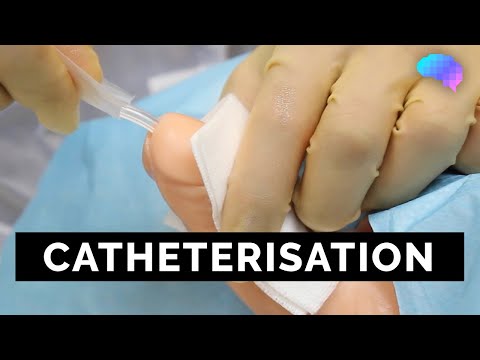
Most people are focused on pain control, catheter comfort, and preventing complications. If a urinary catheter is placed, it often remains during this period, depending on the procedure and how healing is progressing.
You may notice: - Fatigue that feels out of proportion to activity - Urinary burning or bladder spasms (if a catheter is present or during early removal) - Blood-tinged urine for a short period, particularly if you overexert
Intermediate phase, weeks 2 to 6
This is where the story often begins to feel clearer. Many patients can gradually increase walking and normal daily movement, but they are still not fully “recovered.” Pelvic tissue healing continues, and urinary symptoms may fluctuate.
A common pattern is improvement week by week, but with occasional setbacks after a busy day or heavy lifting.
Later phase, months 2 to 6
For many men, this is the period where expected healing time prostate surgery becomes more about function than survival. Sexual health recovery and urinary steadiness often continue to evolve during these months. In general terms, you should still treat exertion carefully, even if you feel better.
Extended recovery, months 6 to 12 and beyond
Some symptoms continue to improve past six months. Your prostate surgery full recovery time is influenced by baseline urinary function, whether there was prior prostate treatment, and how complex the surgery was. Even when major healing is complete, the nervous system and pelvic floor may take longer to calm down.
What Changes Most During Postoperative Recovery Timetable
The phrase postoperative recovery timetable prostate is helpful because the body follows a sequence. The prostate region involves the bladder outlet, pelvic floor muscles, nerves, and delicate tissues. That is why “feeling fine” can sometimes arrive before full internal stability.
Urinary recovery: the most time-sensitive function
Urinary symptoms tend to be the main day-to-day concern. You might deal with: - Urgency, frequency, or weaker stream early on - Leakage or pad use while sphincter control recalibrates - Intermittent burning or mild discomfort as tissues settle
Safety point: urinary bleeding that increases, clots that obstruct flow, fever, or severe pain are reasons to contact the surgical team promptly. Those signs are not part of a typical healing curve.
Pain and pelvic pressure: usually improves, sometimes fluctuates
Pain typically becomes more manageable within the first couple of weeks, though some men experience prolonged pelvic discomfort. Fatigue can make pain feel worse, so sleep and pacing matter.
One practical example I have seen repeatedly: a patient feels better after a few good days of rest, then returns to a normal routine too fast. The discomfort returns for 48 to 72 hours. That does not mean surgery failed, but it does mean the tissues are asking for a slower schedule.
Sexual recovery: variable timing and realistic expectations
Sexual side effects can improve over time, but the trajectory differs widely. Nerve-sparing techniques, age, baseline erectile function, and overall health all affect recovery speed. It is safer to think in terms of gradual change rather than a specific date when function “switches on.”
If you are planning for safety & trust, it helps to coordinate early follow-up, discuss timing for sexual rehabilitation if applicable, and understand that stimulation, blood flow, and nerve recovery do not all run on the same clock.
Typical Recovery Milestones and What to Do With Them
Recovery milestones help you decide whether to push, pause, or call your clinician. The challenge is that people often judge their progress by how they feel on a single day.
Below are common milestones you can use to frame your expectations. Consider them directional rather than guaranteed.
Walking improves first
Many patients notice they can move more comfortably as swelling decreases and they regain confidence with small distances.Catheter or urinary device removal timing varies
Removal depends on procedure specifics and healing status. Do not assume the removal date automatically predicts how quickly urinary control will follow.Pad use often decreases gradually
If leakage occurs, it frequently improves in stages. Some days are better, which can be confusing. Patterns matter more than single events.Energy returns more slowly than pain
It is common to have modest pain but still feel drained. This is often a signal to increase activity gradually rather than test limits.Activity restrictions taper, not disappear
Even after you feel strong, pelvic tissue needs time to remain stable under pressure. Your surgeon’s limits on lifting, driving, and exercise should guide you.Safety Watchpoints: When “Normal” Isn’t Enough
A patient’s recovery timeline is only useful if it helps prevent harm. If you are tracking prostate surgery recovery duration to plan life, you also need a parallel plan for red flags.
Contact your surgical team urgently if you experience: - Fever, chills, or feeling acutely unwell - Worsening pelvic or abdominal pain rather than steady improvement - Heavy bleeding, large clots, or an inability to urinate when you were previously able - Signs of infection around incisions or worsening drainage - Shortness of breath, chest pain, or calf swelling (these require prompt medical evaluation)
In practice, I encourage patients to treat symptoms in the postoperative window as a trend. A small improvement followed by worsening can signal a complication or irritation. Sudden changes deserve attention, even if they feel minor at first.
Also, be cautious with “risk by optimism.” Many men lift, drive, or resume errands because they can. The body can look healed while internal tissues still need time. If you are unsure whether an activity fits your current healing stage, it is reasonable to ask. That question is part of safe recovery.
Factors That Change How Long Recovery Takes
Even with the same operation, recovery time varies. If you want a more precise sense of how long does prostate surgery recovery take for you, these factors commonly shift the timeline.
- Type of prostate surgery Different approaches involve different tissue handling, instrument paths, and typical postoperative protocols. Baseline urinary function and prior treatments Preexisting urinary issues, chronic retention, or earlier prostate interventions can slow stabilization. Age and overall medical condition Diabetes, vascular disease, smoking history, and frailty can affect healing speed and complication risk. Pelvic floor function and mobility before surgery Men who maintain safe activity and have strong pelvic support strategies often recover movement confidence sooner. How closely the postoperative plan is followed Sleep, hydration, and avoiding early heavy exertion are not cosmetic details. They directly support tissue repair.
If you are trying to schedule work, travel, or caregiving responsibilities, build a buffer. A common regret is underestimating how tiring recovery can be, not how painful it is. The safest plan assumes you will have good days and limited-control days, and you will adapt.
Recovery after prostate surgery is measurable, but it is not linear. Click for info The most trustworthy approach is to track progress in phases, watch safety signals closely, and let follow-up visits calibrate your expectations for urinary function, pelvic comfort, and long-term recovery. That mindset is the foundation for an honest prostate surgery full recovery time estimate, one that respects both healing biology and real life.